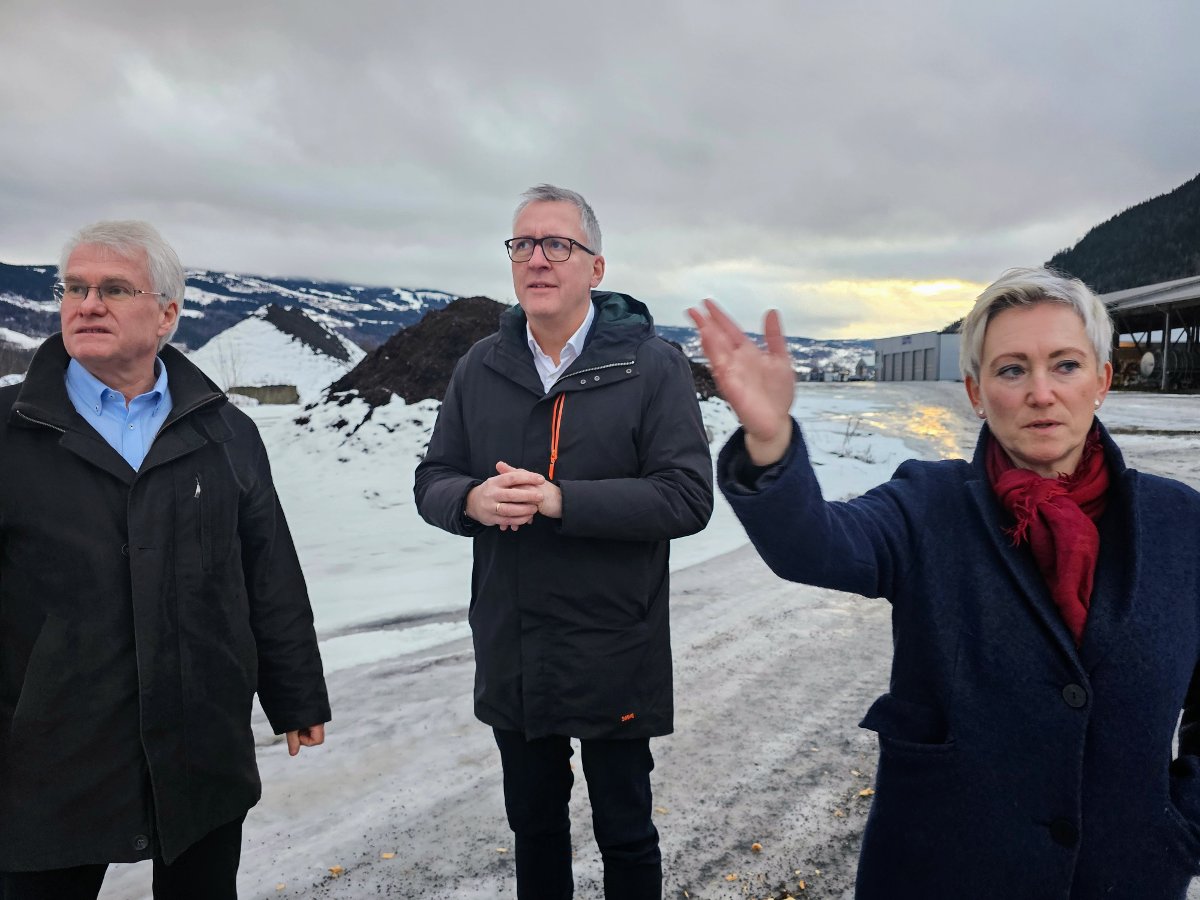
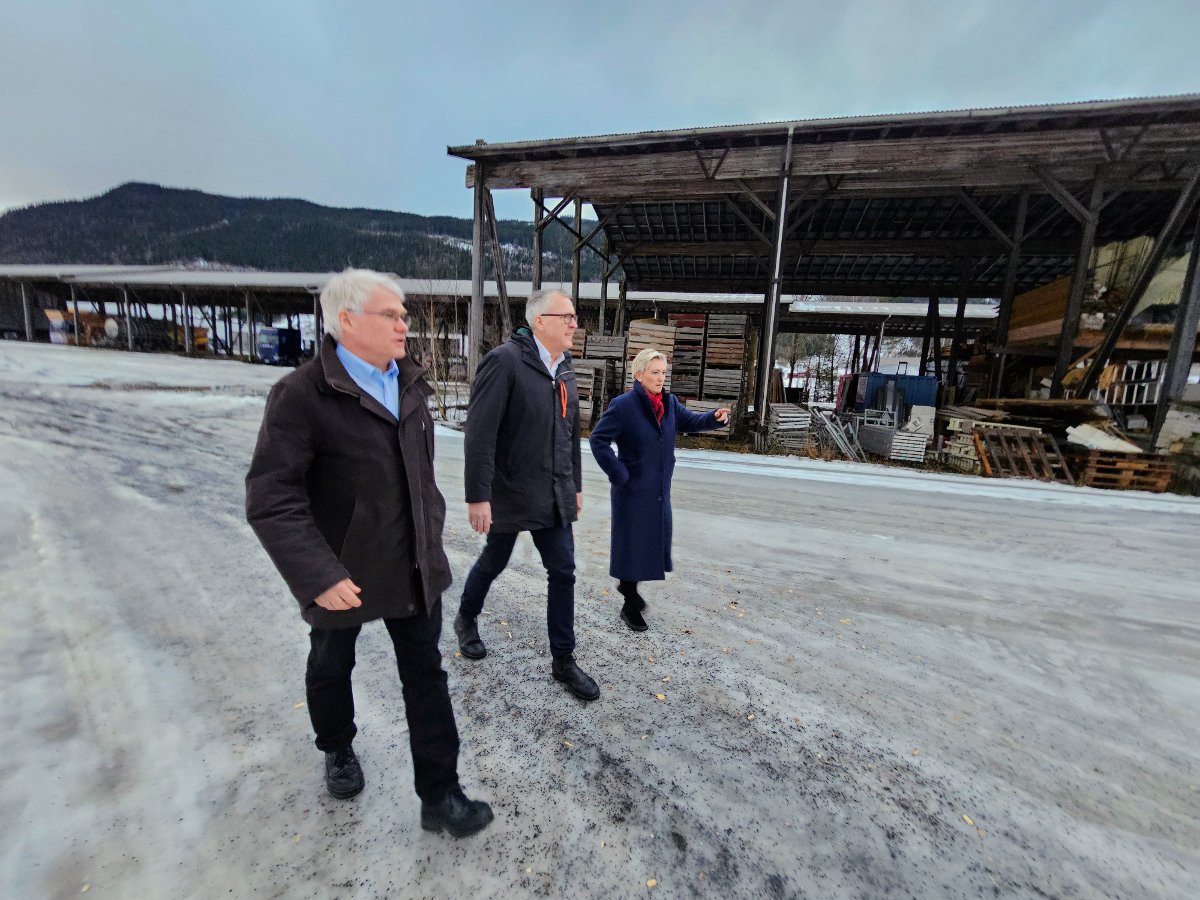
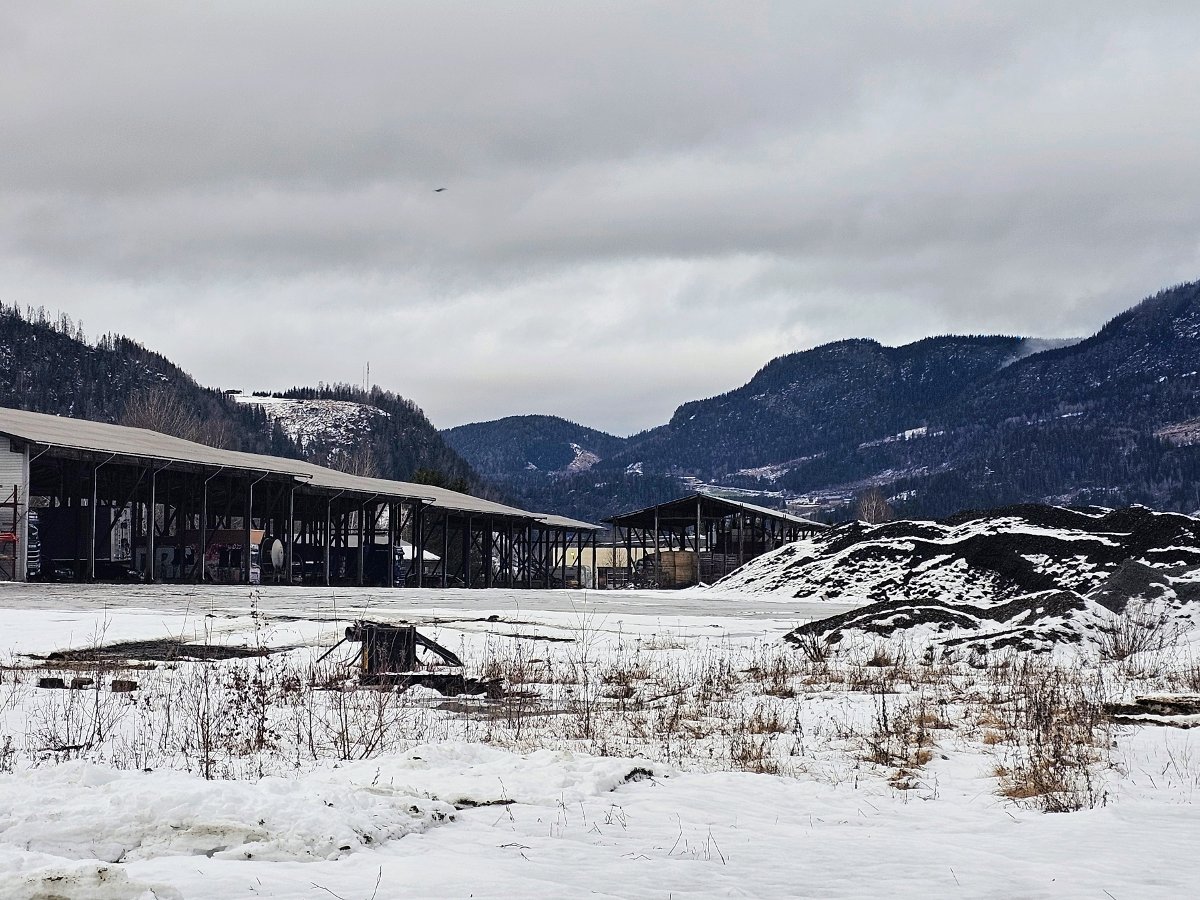
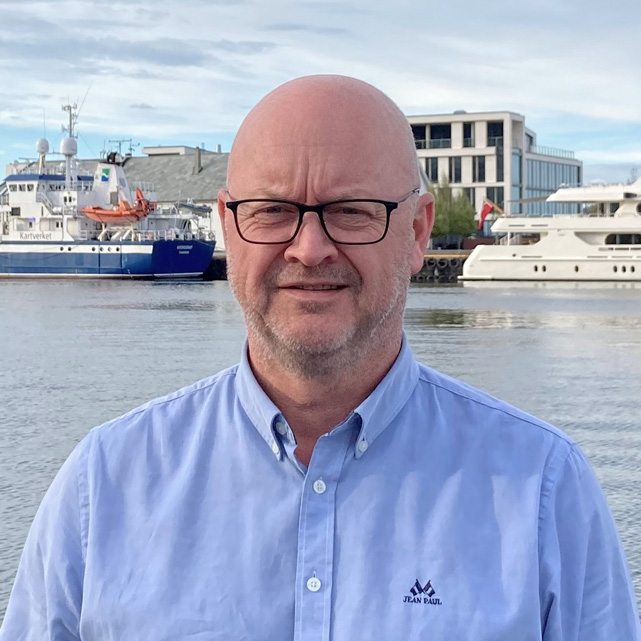
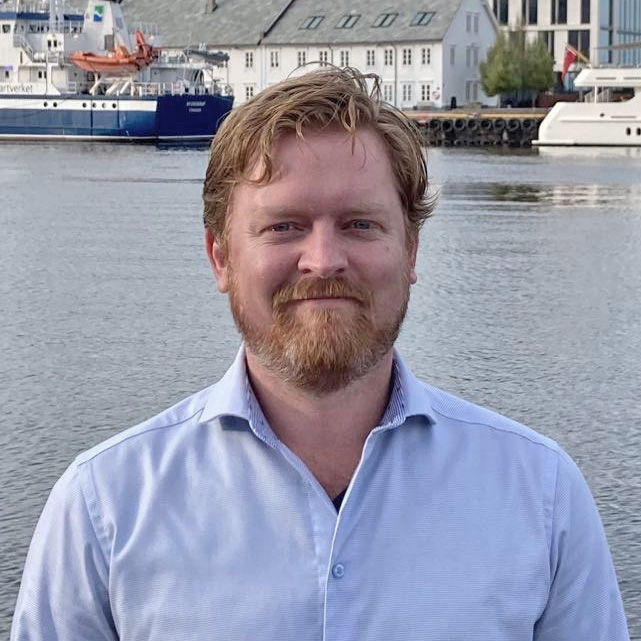
Deputy Mayor Erling Broen (Ap), Member of Parliament Rune Støstad (Ap), and Mayor Anne Marie Sveipe (H) examine the industrial site of the former Bruvoll Sawmill. Photo: Erlend Blaalid Oldeide
The article summarized
Industry policy leader Rune Støstad (Labour) presents the government’s new Plan for Norway in Øyer.
Glocal Green plans to produce biomethanol from wood waste at a former sawmill site.
The project uses forest resources from the Inland region for sustainable export and could become Norway’s third major export after oil and salmon.
This is an example of how Norway can transition and create new value creation after the oil era.
Photo: Erlend Blaalid Oldeide
Photo: Erlend Blaalid Oldeide
What will Norway live on after oil?
This is one of the major questions the government must address in the years ahead.
Norway’s leading industry policy politician, Rune Støstad (Ap), is looking for the answer at a former sawmill site in Øyer.
– Some may call this an industrial adventure. But this is no fairytale. This will become reality, says Mayor Anne Marie Sveipe (H).
– There are many such industrial development projects in the region. It is only right that Rune comes here, says Deputy Mayor Erling Broen (Ap).
Deputy Mayor Erling Broen (Ap), MP Rune Støstad (Labour), and Mayor Anne Marie Sveipe (H) look out across the industrial site of the former Bruvoll Sawmill and Planing Mill.
Støstad, who comes from Vinstra, invited Gudbrandsdølen Dagningen to Øyer to discuss the government’s new “Plan for Norway”, which will serve as its main governing document going forward. It consists of five chapters. As Chair of the Parliamentary Committee on Business and Industry, Støstad is particularly focused on industrial development.
– What is happening here is so exciting that it felt natural to present our plan here. It is about utilizing our resource base. We depend on increased value creation and competitiveness in the future. We must invest more in innovation. We need policy instruments that work and predictable framework conditions, says Støstad.
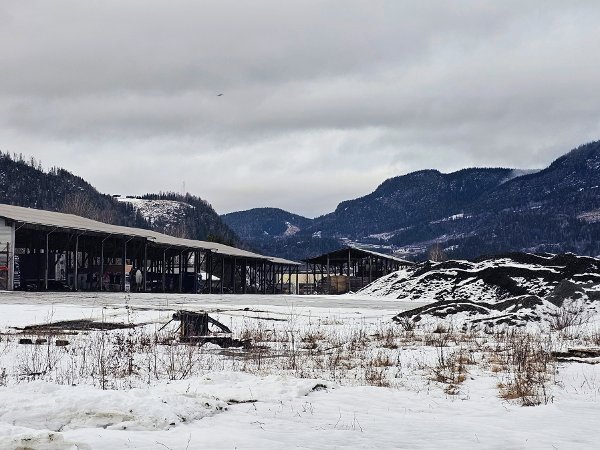
Photo caption: The former Bruvoll Sawmill is located in the industrial area west of the Gudbrandsdalslågen river in Øyer.
At the site of the former sawmill, new industrial activity is underway. Wood remains the raw material, and it may become Norway’s next major export product after oil and farmed salmon.
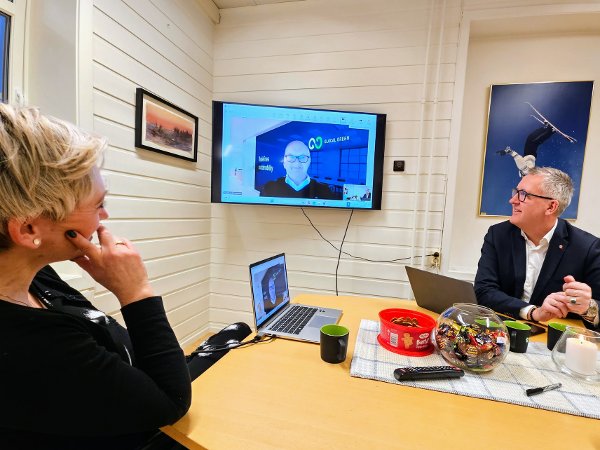
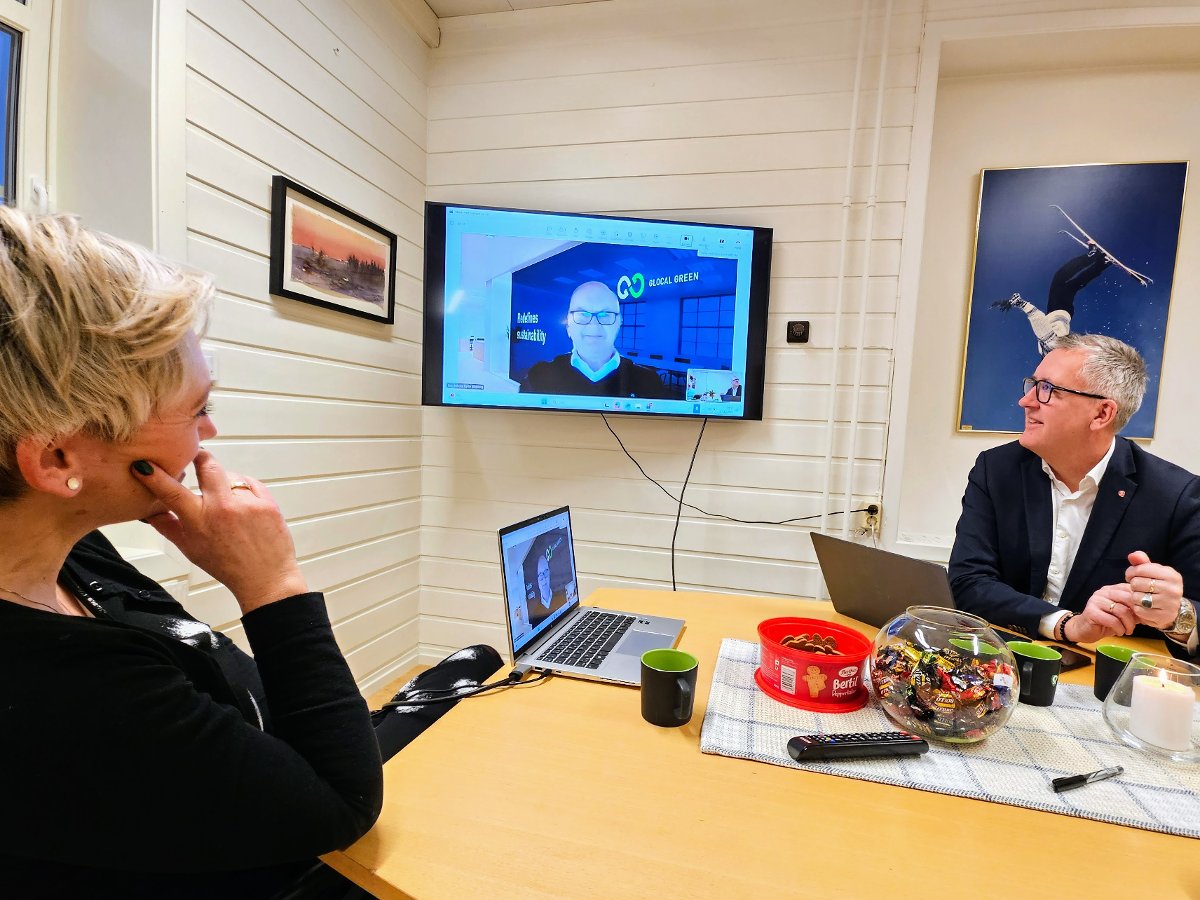
Says Dag Nikolai Ryste, appearing on a screen inside the mayor’s office in Øyer. Ryste is CEO of Glocal Green, which plans to establish operations at the former sawmill site.
Joining via video from Ålesund, he presents the company’s plans and reflects on the government’s plan for Norway.
CEO of Glocal Green, Dag Ryste, joining via video from Ålesund. Photo: Erlend Blaalid Oldeide
– To succeed with environmental sustainability, the project must also be economically sustainable, says Ryste.
The business concept is to use residual materials from the forestry and wood-processing industries to produce biomethanol. The fuel can be used in chemical industry applications and as an energy carrier. The target production volume is 150,000 tonnes per year, replacing fossil fuels. According to Ryste, the shipping industry is particularly interested.
– If customers are located along the coast and internationally, why place the factory in Øyer and Inland Norway?
– Because methanol is easy to transport, while biomass is heavy. That means the plant must be located close to the raw material. Øyer has strong logistics, with access to the E6 highway and rail, making transport to export hubs such as Grenland efficient, says Ryste.
Learning from Western Norway?
– In addition, we are close to green hydropower, and potentially solar and wind power in the future.
– What can Inland Norway learn from the innovation culture of Western Norway? asks Støstad.
– What made Norway wealthy? Oil, located on the Norwegian continental shelf and developed wisely. And salmon farming, which depends on the Gulf Stream.
– The third major opportunity after oil and salmon lies in residual wood resources. This places Inland Norway at the center, not the coast. The geographical and natural conditions are here. We must ensure we utilize them, Ryste explains.
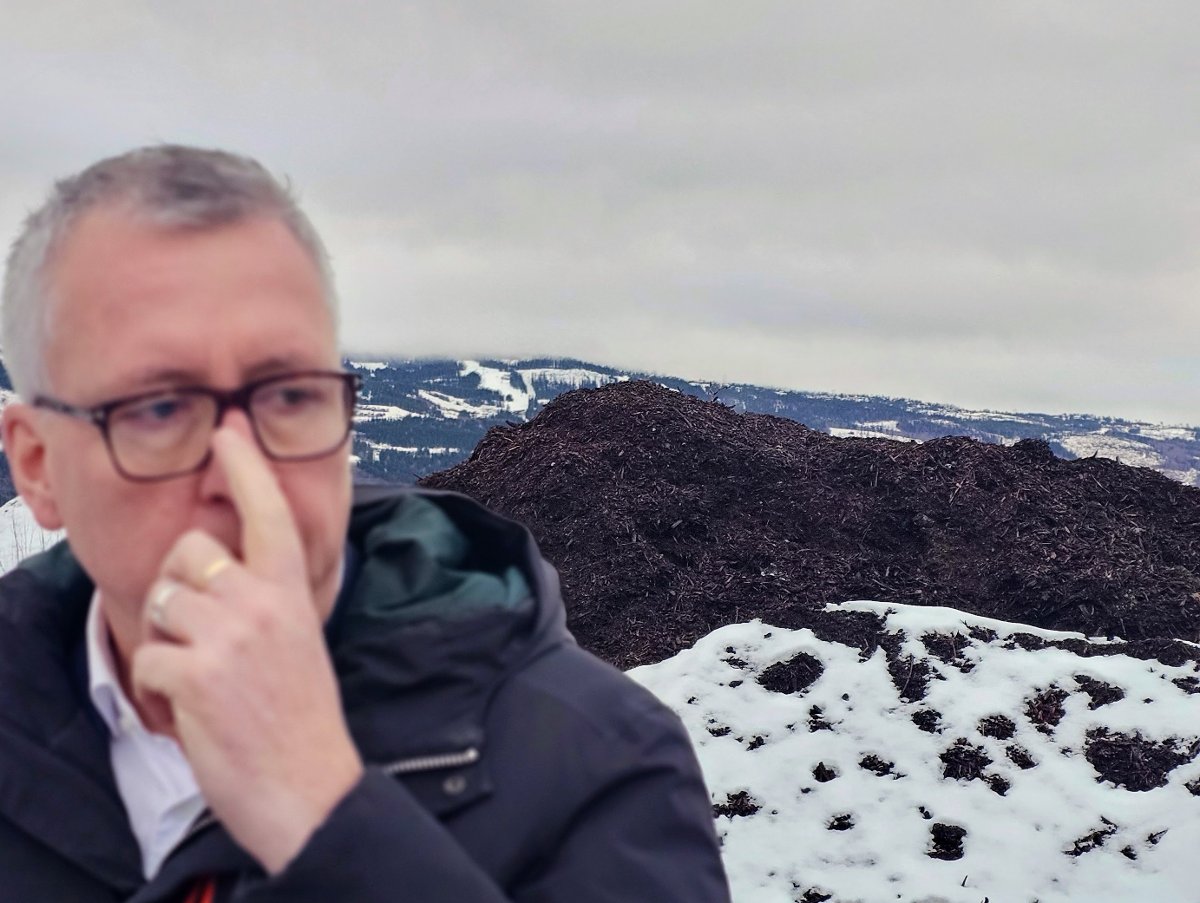
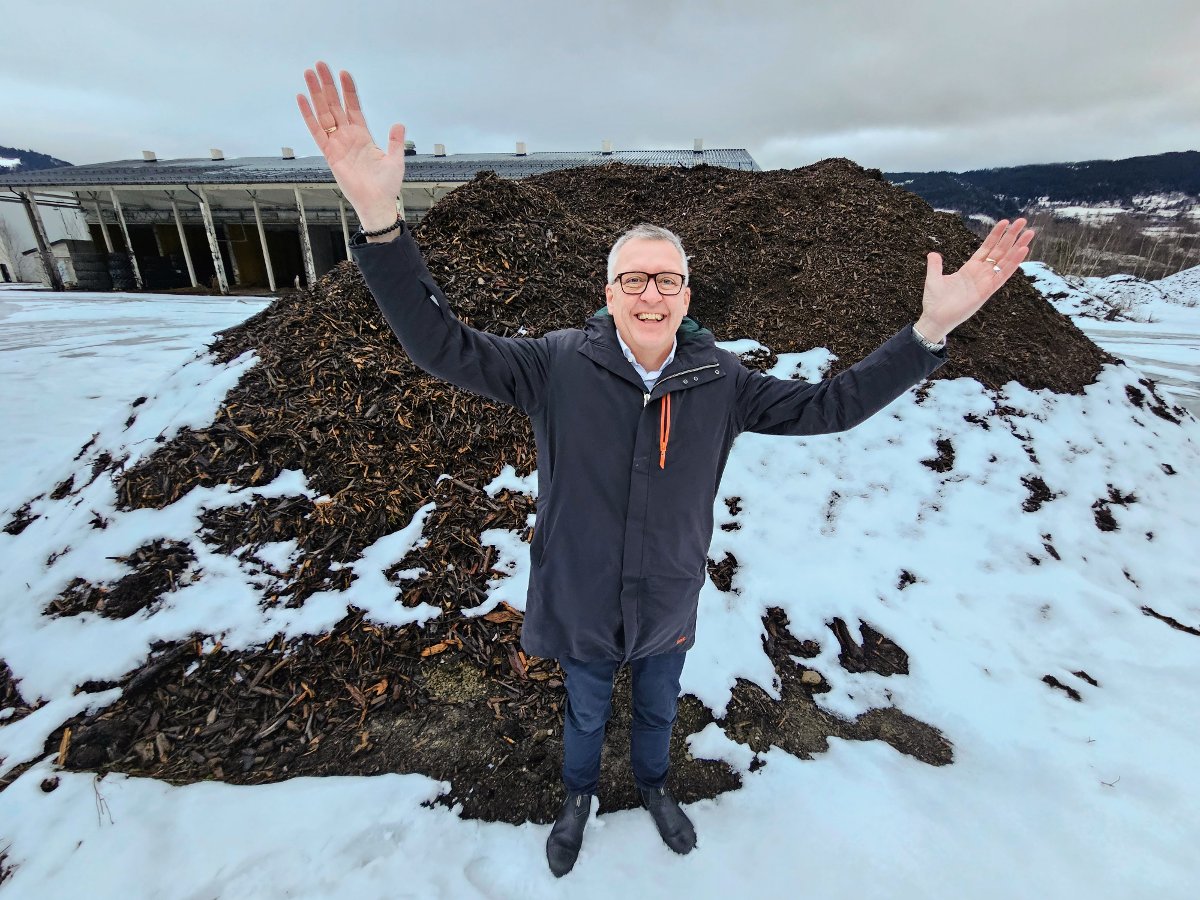
Member of Parliament Rune Støstad (Ap) in front of a pile of bark at the former Bruvoll Sawmill.
At the foundation of industrial development
– What we see here is some of the value we can create in the future. This is where Innlandet can take a leading role, says Rune Støstad as he looks around the industrial site.
– What is happening in Øyer is fully aligned with the plan we are now presenting. Here we have an entrepreneur willing to invest, a municipality that facilitates development, and public support instruments such as Innovation Norway and others.
At the same time, Innlandet faces challenges:
Innlandet has the highest number of bankruptcies in the country
Innlandet has the second lowest number of new business establishments, after Northern Norway*
Around 60 percent of the population is employed in the private sector. Only Northern Norway* has a lower share
*Northern Norway is here used as a collective term for Troms, Finnmark, Jan Mayen and Svalbard.
– How can Innlandet then become a natural place for developing the new industrial Norway?
– We are not on par with other regions in these areas. That means we must be proactive. We have many solid companies, but we also know that the jobs we will depend on in the future may not yet exist, says Støstad.
– Norway and Innlandet must go through a transition. What is happening in Øyer now is an example of the types of jobs we can facilitate going forward.
A pile of bark. Could residual material from the wood industry become the foundation of a new industrial chapter?
Are you an investor, technology partner, or part of the value chain? We are looking for collaborators and forward-looking stakeholders who want to contribute to the energy transition. Contact us for insight into technology, market and business model.